
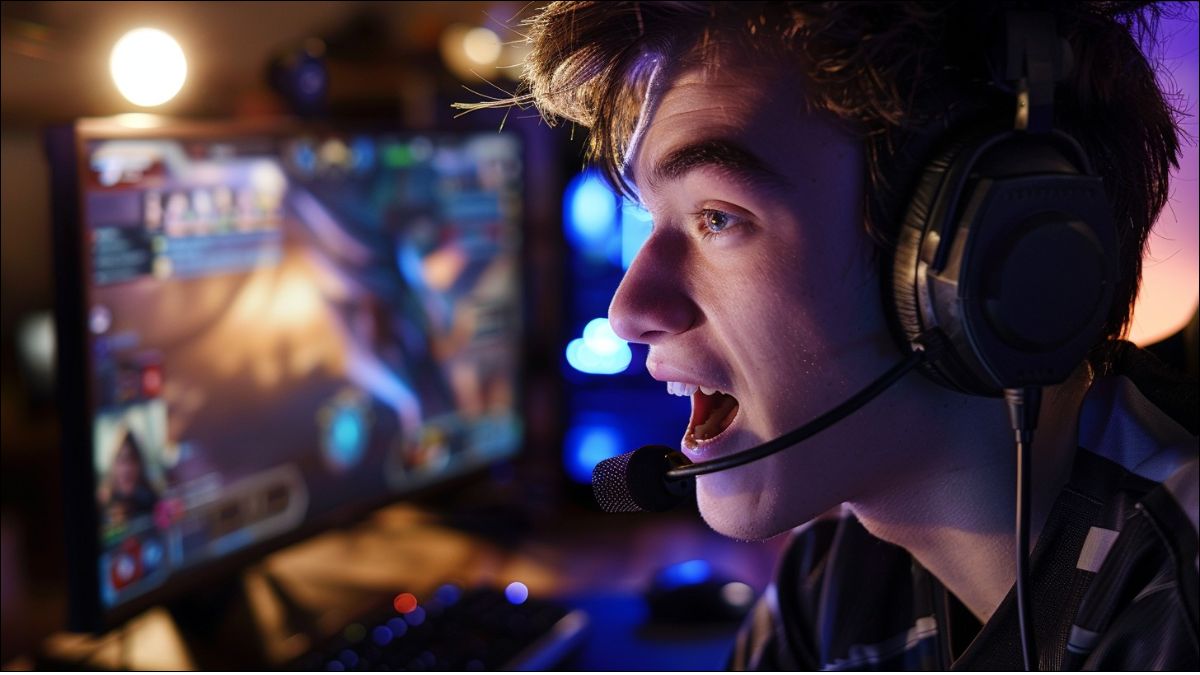
Think about competitive gaming twenty years ago. Players crowded around arcade machines. Screens were small. Controls were basic. Today, that world looks completely different.
Tech etruesports has changed everything. It brings together advanced technology and electronic sports. The result is a global industry worth billions of dollars. It now rivals traditional sports in fans, money, and cultural reach.
This guide is for everyone. Maybe you are a gamer chasing a pro career. Perhaps you love tech and want to understand what drives performance. Or maybe you are simply curious about why millions watch others play games. Either way, you will find answers here. We will cover every major technology shaping tech etruesports right now and where it is all heading next.
What Is Tech Etruesports?
Simply put, tech etruesports is the tech layer behind competitive gaming. It covers the hardware, software, networks, and data tools that make pro-level play possible.
Think of a Formula 1 race. The driver matters, of course. But so do the aerodynamics, the tires, and the pit crew’s data analysis. Esports works the same way. A pro player’s results depend on their monitor’s refresh rate, their internet speed, and the AI tools their coach uses. Raw skill alone is not enough anymore.
Furthermore, the word “etruesports” highlights this tech-first mindset. It separates serious, innovation-driven platforms from casual gaming spaces. In short, tech etruesports is where gaming meets cutting-edge technology at the highest level.
How AI and Data Analytics Are Changing the Game
Artificial intelligence is one of the biggest forces in tech etruesports today. In the past, coaches watched replays and took notes by hand. Now, AI platforms do that work automatically and much faster.
These tools track thousands of data points in a single match. For example, they measure aim accuracy, reaction speed, and positioning. They also spot patterns in how opponents play. As a result, teams go into tournaments with a clear strategic edge.
Machine learning adds another layer. It builds personal training plans for each player. For instance, a system might notice that a player’s accuracy drops after two hours of play. It then suggests short breaks or warmup routines to fix the problem.
Moreover, AI helps fans enjoy the broadcast. Predictive overlays show live win chances. Automated highlight reels catch the best moments instantly. Therefore, even new viewers can follow the action easily.
In tech etruesports, data is now just as important as skill.
High-Performance Hardware: The Backbone of Esports
Tech etruesports depends heavily on top-quality equipment. The right hardware does not just feel better it directly improves results.
Monitors
Pro players use monitors with refresh rates of 240Hz or even 360Hz. A higher refresh rate means more frames per second on screen. Consequently, players react faster to what they see. The gap between 60Hz and 240Hz is not small it is significant at the pro level.
Peripherals
Gaming mice send position data to the computer up to 8,000 times per second. This makes cursor movement extremely precise. Mechanical keyboards with optical switches register each keypress faster than standard keys. Every millisecond saved adds up over a long match.
Gaming PCs and Networking
Top-level gaming PCs use powerful CPUs and graphics cards. They run games smoothly even under pressure. On top of that, wired internet connections cut latency to single-digit milliseconds. In competitive play, that tiny advantage matters greatly.
As a result, hardware makers keep pushing limits. The competition in tech etruesports drives constant innovation on every front.
Streaming Technology and the Fan Experience
Without strong streaming tech, esports could not reach a global audience. Platforms like Twitch and YouTube Gaming make it all possible. Moreover, the technology behind these platforms keeps improving every year.
Modern esports streams use adaptive bitrate technology. This means the video quality adjusts to match each viewer’s internet speed. Therefore, fans with slower connections still enjoy a smooth experience.
Latency has also dropped sharply. Some platforms now stream with delays of less than five seconds. As a result, live chat feels real and connected to the action on screen.
Additionally, production quality at big tech etruesports events is now on par with traditional sports TV. Broadcasts feature multiple camera angles, stat overlays, and in-engine replays. Fans can also switch between player views and check live dashboards. In other words, watching esports has become an interactive experience not a passive one.
Virtual Reality and Augmented Reality in Esports
VR and AR are opening new doors in tech etruesports. Although they are still growing, the early results are very promising.
Virtual Reality
VR could let fans watch tournaments from inside the game. Instead of a flat screen, viewers could look around the virtual arena freely. Several developers are already building these experiences. As hardware becomes more affordable, adoption will likely rise fast.
For players, VR training is also useful. They can practice in simulated match settings. These environments build reaction speed and game sense in a realistic way.
Augmented Reality
AR works best in broadcasts. It places stat overlays and tactical maps on top of live footage. Therefore, new fans can understand what is happening without prior game knowledge. This lowers the barrier to entry and grows the audience further.
Both VR and AR are becoming core parts of the tech etruesports roadmap not just fun extras.
Cloud Gaming: Breaking Down Barriers
Cloud gaming is one of the most exciting shifts in tech etruesports. Instead of running games on a local PC, the computation happens on remote servers. The result streams to any device with an internet connection.
This matters a lot for access. High-end gaming PCs are expensive. Not every talented player can afford one. With cloud gaming, a mid-range laptop is enough to run top titles at competitive settings. Consequently, more players from more countries can compete.
In fact, regions like Southeast Asia, Latin America, and Africa are producing more top-level players than ever. Easier access to games is a big reason why.
Furthermore, 5G networks are making cloud gaming more reliable. Lower latency means the experience feels closer to playing on local hardware. As 5G expands globally, cloud gaming will become a real option even at the highest levels of competition.
The Esports Ecosystem: Players, Teams, and Sponsors
Tech etruesports does not run on technology alone. It runs on a full ecosystem of people and organizations working together.
Players and Teams
Pro players train eight to twelve hours a day. They work with coaches, analysts, and even psychologists. Top organizations function like professional sports clubs. They sign players, manage brands, and negotiate major tournament deals.
Sponsors and Media Deals
Sponsors drive the money. Hardware brands, energy drinks, and mainstream companies all want access to esports fans. These fans are young, loyal, and highly engaged online. As a result, sponsorship deals reach into the millions for top events.
Additionally, broadcasters now compete for esports rights. Traditional sports networks and streaming platforms both want a piece of this growing audience. This media interest reflects how mainstream tech etruesports has become.
Career Opportunities in Tech Etruesports
Many people assume the only career in esports is playing games. In fact, the opposite is true. Tech etruesports supports a wide range of jobs.
Here are some of the most in-demand roles:
- Game developers build and update the titles pros compete in.
- Broadcast producers plan and run live event coverage.
- Data analysts turn match data into useful coaching insights.
- Network engineers keep online competition stable and fast.
- Marketing managers build brand presence in esports communities.
- UX designers create the platforms players and fans use every day.
Moreover, demand for these roles keeps growing. As the industry expands, so does the need for skilled professionals across every area. Therefore, a passion for gaming and technology can lead to a long and rewarding career.
Challenges Facing the Industry
Tech etruesports is growing fast. However, that growth comes with real challenges. Addressing them honestly is important for the industry’s long-term future.
Player Health and Burnout
Long training hours take a physical toll. Wrist strain, poor posture, and eye fatigue are common issues. Some organizations now offer rest schedules and physical therapy. Still, the industry as a whole needs to do more in this area.
Cheating and Fair Play
Cheating software remains a serious problem. Aim-assist tools and wallhacks give unfair advantages. Anti-cheat systems work hard to catch these tools. Even so, new methods keep appearing. Maintaining integrity is an ongoing battle.
Lack of Global Rules
Esports has no single governing body worldwide. As a result, rules vary by game, region, and organizer. Player protections differ widely too. Building consistent standards is a key priority for the industry’s future.
Financial Sustainability
Top events attract huge prize pools and sponsor money. However, smaller organizations often struggle to stay profitable. Building steady revenue at every level not just the top is still a work in progress.
The Future of Tech Etruesports
The future of tech etruesports looks very bright. Several trends will shape the next five to ten years in powerful ways.
First, 5G networks will expand worldwide. This will bring low-latency gaming to millions of new players and fans. As a result, competitive gaming will grow in regions that currently lack fast internet.
Second, AI will take on even bigger roles. Beyond analytics, it will help design games, run fair-play checks, and personalize fan experiences. For instance, AI could curate a highlight reel based on your favorite players and match moments.
Third, esports is entering education. Universities already offer varsity esports programs and scholarships. High schools are following. Consequently, competitive gaming is becoming a recognized and respected path for young talent.
Finally, cross-industry partnerships will grow. Sports science, healthcare, and entertainment all see value in tech etruesports. Together, they are building new tools, formats, and experiences that will push the industry forward.
The question is no longer if tech etruesports will dominate global entertainment. It already does. The real question is how far it will go.
Conclusion
Competitive gaming has come a long way. From crowded arcades to AI-powered arenas, tech etruesports has reshaped how we play, watch, and connect through games.
Today, this industry combines elite human skill with the most advanced technology available. It creates careers, drives innovation, and entertains hundreds of millions of fans worldwide. Moreover, it continues to grow at a pace few industries can match.
Whether you are a player, a fan, or a tech professional, tech etruesports has something to offer you. The tools are getting better. The community is getting larger. And the opportunity has never been greater.
Now is the perfect time to get involved.
FAQ
What exactly is tech etruesports? Tech etruesports is the technology ecosystem behind competitive gaming. It includes gaming hardware, software platforms, AI analytics tools, and the network systems that support pro-level tournaments and global broadcasts.
How does AI help in competitive esports? AI tracks player data like aim, reaction time, and strategy. Coaches use these insights to build better training plans. AI also improves broadcasts by adding live win-probability overlays and auto-generated highlights for fans.
Is cloud gaming good enough for serious competition? Cloud gaming works well for casual and semi-pro play. Top pros still prefer local hardware for its lower latency. However, as 5G expands and cloud tech improves, the gap is closing quickly.
What jobs exist in tech etruesports besides playing? There are many options. These include game development, broadcast production, data analysis, network engineering, marketing, UX design, event management, and sports psychology. Demand for these roles keeps rising as the industry grows.
What are the biggest problems facing tech etruesports today? The main challenges are player burnout, cheating, inconsistent global rules, and financial instability for smaller organizations. Solving these issues will determine how strong and sustainable the industry becomes long-term.Share
